





26 August 2026
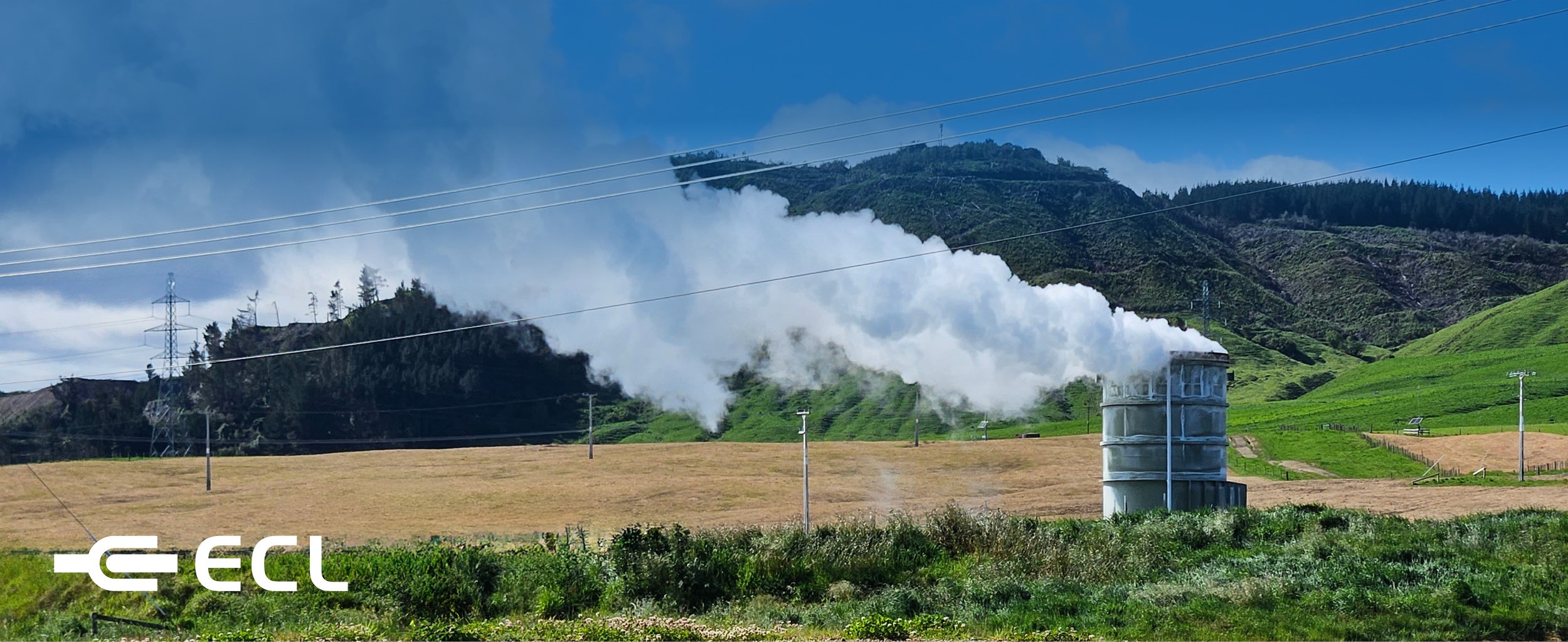
Geothermal power stations are tough on equipment.
Heat, moisture and corrosive gases can significantly reduce the life of electrical components if the wrong materials are selected. What looks fine on day one can become a maintenance problem a few years later.
That was one of the considerations during the development of the Tauhara Geothermal Power Station.
ECL worked with the project team to supply cable support and termination components suitable for the site's operating environment. A key requirement was ensuring the materials selected could withstand long-term exposure to geothermal conditions.
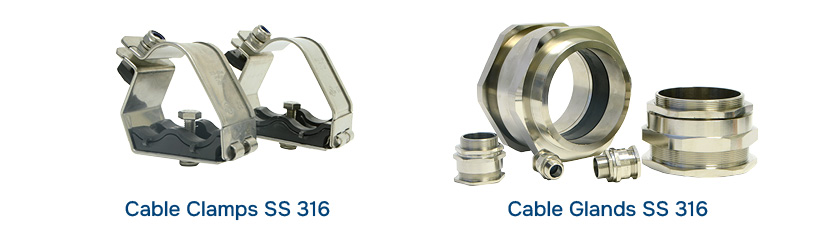
For this project, Stainless Steel 316 was chosen for a range of products, including cable clamps, hazardous area cable glands and cable ties.
The reason is straightforward. Stainless Steel 316 offers significantly better corrosion resistance than many alternative materials, making it well suited to geothermal, coastal and other aggressive environments.
On projects like Tauhara, product selection isn't only about initial installation cost. It's about reducing maintenance requirements, avoiding premature failures and ensuring equipment remains reliable over the long term.
Alongside supplying the products, ECL worked with the engineering team to confirm compatibility and provide supporting technical information during the specification process.
One of the lessons we continue to see across utility, industrial and renewable projects is that material selection matters. Choosing the right product upfront is often far less expensive than replacing failed equipment later.
Geothermal projects present some of the harshest operating conditions in New Zealand, but the same principles apply across many industries. Understanding the environment and selecting materials accordingly can have a significant impact on asset life and whole-of-life project costs.
If you're working on a geothermal, coastal or other high-corrosion areas, talk to the ECL team about selecting materials that are fit for purpose.